

DIVA DOWN
Resisting Erasure: Why i'm not giving up on my favourite words anymore, diva.

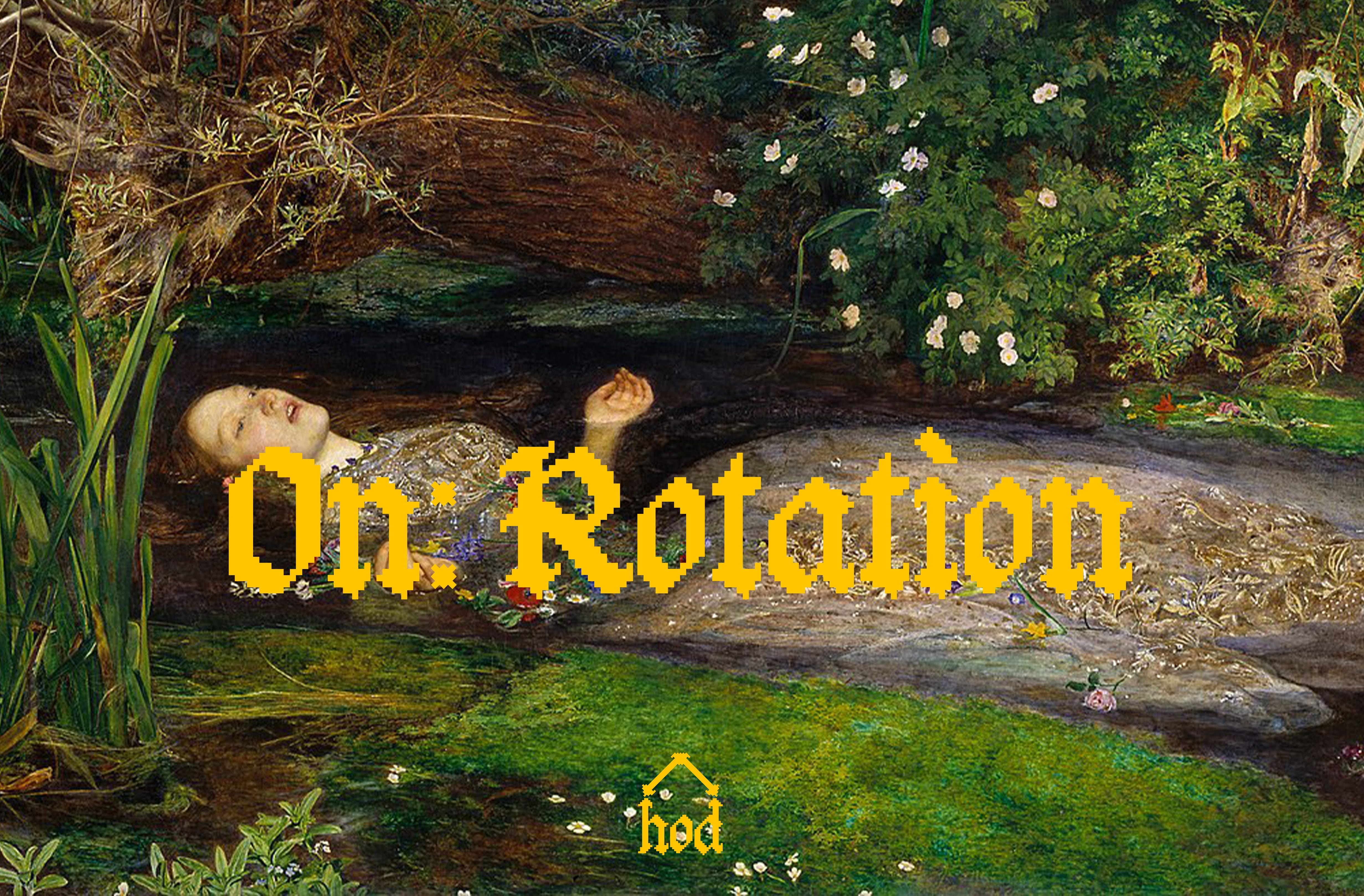
I can feel it -the weight of existential dread. I felt the same in the summer of 2022. In the lexicon wars, they came for "slay," and now the target is on the back of "diva." Every time I use the word it's as if I'm checking the barrel of my gun for ammunition. "Bro" is still strong, a full magazine and a cavalry of chino-short-wearing Fortnitees waiting beyond the horizon. So is the short shelf life of words only applicable when feminised, or is this a question of diva fatigue :(
We are churning through words faster than you can say yaas queen. Are all forms of queer vernacular destined for the chopping block?
I want to start this with a disclaimer: I understand that the etymological origins of these words (in colloquial cannon) often come from our trans siblings of colour and trickle down into the general vocabulary. They are the true divas.
I felt it in my stomach first, the urge to retire "slay." For so long I remember exclaiming out loud, "I refuse to be the coffin bearer at the funeral of a word I have used for almost a decade". Can you mourn a word while still using it? Can you whisper "slay" into the group chat one last time like a final cigarette? Or do we go cold turkey, ashamed of our past selves, deleting old captions like they’re evidence in a trial for crimes against taste?
Maybe that's what diva down really means: not just a fallen icon, but the fall of a language we built to survive. A lexicon that let us joke through grief, sparkle through shame, deflect, defend, and, yes, slay. It was never just a word - it was a toolkit. And now it's gathering dust in the back of the group chat. Remnants of Polari are still sparkling in the boring 21st-century common tongue (maybe that’s another post for another time)
But I’m not ready to give it up. Not yet. I want to stage a comeback tour for diva. I want a Vegas residency for slay. I want to sit them down like overworked child stars and say: you’ve done enough. You can rest now.
Because diva isn’t just a word. It’s a shield, a mirror, a calling card. It’s a scream through the noise. It's a lifestyle, a belief system, an entire cosmology of confidence. Calling someone a diva isn't about arrogance. It’s about survival. Its an expletive, a preposition, a conjugation, it is everything.. but can also be nothing?
And yet, we are told that words like this have had their day. That they’ve gone mainstream. That they’ve lost their edge, become cringe, expired. But why do only our words age out of coolness? Why is slay treated like milk and not like wine?
Bro is timeless. Mate is evergreen. Lad has been doing numbers since the Roman Empire. But diva? Slay? They come with expiration dates that feel less about linguistic evolution and more about a cultural queasiness around femininity, excess, and fabulousness.
Words in the queer lexicon are derived from the camp aesthetic. I read the iconic “Notes on Camp” whilst writing my architecture master’s dissertation (stick with me) whilst trying to define a new movement called Campitecture (definitely another post for another day). Irony, exaggeration, and performance are all features of “camp” and most queer lexis employ on or all of these features, but heavy be the head that wears the crown and true to their exagerative selves, the definitions can also seemingly be exaggerated and are pliable to change and extension.
To stop using diva is not a neutral act. It is, consciously or not, a decision to participate in the erasure of what that word once meant. Of those who that word once protected. I think about the kids who first mouthed it in mirrors, who carved out space with it in hostile classrooms. I think about the queens who turned it into an armour of syllables. I think about the trans girls who still use it as a battle cry. They deserve more than a silent send-off.
And I get it. Words evolve. Language is fluid. No one wants to be the last person saying "on fleek." But maybe there's something powerful in choosing not to chase newness. Maybe staying loyal to your words is its own kind of resistance. Maybe refusing to abandon diva is the most diva move of all.
Besides, isn’t it kind of chic to be out of step? To carry on saying slay when everyone else has moved on to "serve" or "ate" or whatever the new word is this week? There is a quiet rebellion in using language that isn’t in fashion anymore.
I don't want my words dictated by algorithms, by cringe discourse, or by ironic Twitter threads about "the death of slay." I want my vocabulary to be sticky with history, messy with meaning. I want to speak in phrases that remember where they came from.
And most of all, I want to make space for joy. Because that’s what diva is, ultimately: a joyful word. A dramatic, high-stakes, over-the-top celebration of personhood. Of flair. Of presence. In a world trying to flatten us, diva refuses to be flat. Diva demands dimension.
So yes. Diva is tired. She’s been through it. But she’s still here, rhinestoned and raspy and slightly hungover.
Diva down? Never. Diva up, diva sideways, diva forever.
Let the next word come. But I’m keeping this one in my pocket.
DIVA OUT
This is such an interesting and, unfortunately, undiscussed topic. Just recently, me and my friend were discussing the danger of ‘cores’ at labelling peoples identity and how phrases like ‘slay’ + ‘diva down’ are used in an uplifting way to downplay serious mental health topics. Ultimately, forcing out how people communicate and explain serious life events or how they are really feeling, especially amongst current teenagers.