

On: Performative Reading
In Defence of Faking it Till You Make it

I’m a performer. Sue me.
Hello, welcome to On: Rotation, my monthly musings mag-rag, where I discuss whatever I’m thinking about that month on the rotating platter that is my little brain (sorry if that sounds like a threat). Bisous!
Unfortunately for those around me, I’m a recovering theatre kid. Performance is in my blood. I have a performative masters degree in architecture. And since I now dont practice architecture, you can see I am committed to the bit.
So when I decided to get back into reading, I did what I always do. I made it a whole thing.
Reading was always present in my life, not always for pleasure, but it was there. As the bubbles started to surface on the performative reading trend, I very unfortunately timed my return to paper, too. Not many people will admit that they do anything performatively but when the world is a stage, can you escape the charges?
In 2025 I read three books. Three. I had huge plans for a summer filled with books in the sun, alas it ended up being spent at festivals battling with portaloos and airbeds.
The real problem started when I read Nova Scotia House, a book that made me cry so much I couldn’t read it in public. And just like that I hit a road block. Maybe I should have called this the trials and tribulations of an empath. But here we are.
This year I have already read fifteen. What changed was not my circumstances. What changed was that I stopped waiting to feel like a reader and started performing like one. For a theatre kid that distinction is basically nothing. For my reading life it was everything.
May I call to the stand, Reece Davey, the Reader.
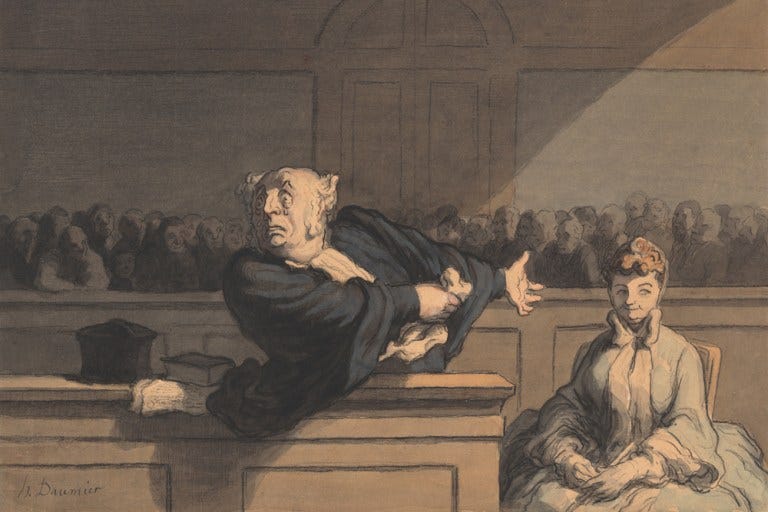
A PERFORMATIVE PERFORMER?
Before I make my case, a brief etymology interlude. Bear with me.
The word performative was coined by British language philosopher JL Austin in the 1950s. Derived from perform, which in the 1300s meant to carry out what is required. Then the thespians got hold of it and in 1600 gave it new life. With the addition of “ative” JL Austin had inadvertently created 2025’s micro niche meme pages’ entire social media strategy. Their impact.
My favourite definition, buried quietly at the bottom: to construct, produce, to make come true.
Please welcome to the stand, Judith Butler. I don’t think she expected to be here either.
Butler argued that identity isn’t something you are. It’s something you perform, repeatedly, until it becomes you. She was talking about something considerably more significant than whether you finish your copy of Les Misérables. But the logic holds. Nobody is born a reader. You become one by deciding to be one and then actually reading.
I’m fairly certain that is not what Judith Butler had in mind. But I think she’d appreciate the commitment to the bit.
A READING HISTORY
To understand how I got here we need to go back. Far back.
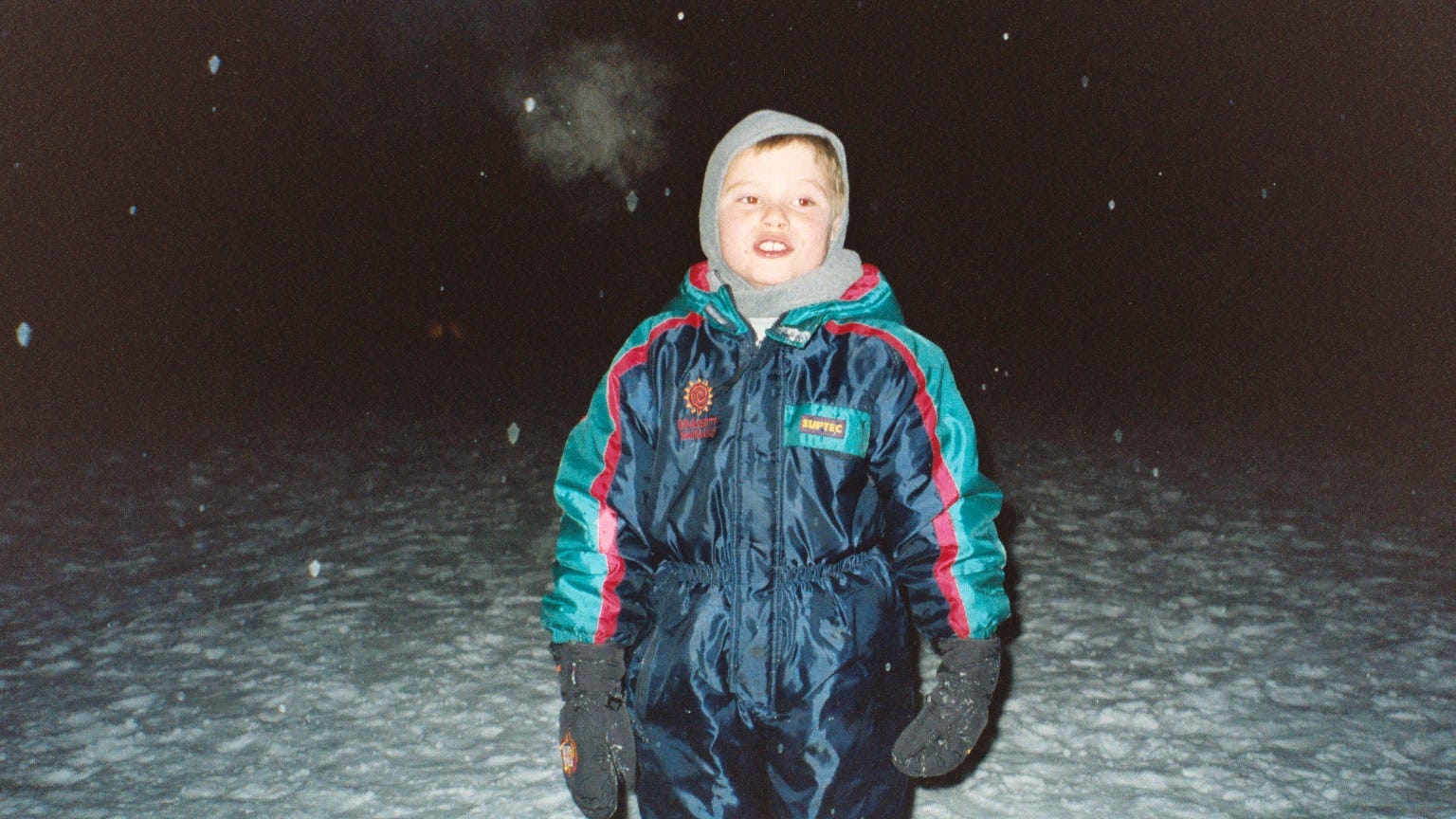
I was a neurodivergent gay kid (yes, another one) in a not particularly good school. Reading was my hyper fixation, my escape. Books were the safest place to exist.
Then architecture school took over. Five years of dense theory reduced reading to a purely functional act. Like eating plain overnight oats.
My partner Henry, a comparative literature student with genuinely intimidating taste, handed me Giovanni’s Room like a nurse with an IV drip. For a brief beautiful moment I remembered what reading for pleasure felt like.
Then I became a full time content creator. My life was public and the feedback was clear: people cared about what I was wearing, where I was going, what I looked like. Not what I was reading. Not what I was thinking. So the books went back on the shelf. Not because I stopped loving them. Because I convinced myself nobody else cared.
Then I found creators making content about things they just genuinely, unashamedly loved. Pure obsession. No apology. And I thought: oh. You’re allowed to just do that.
2026 became my year of nourishment. Time to perform my way back.
RENAISSANCE
So how does a performer get themselves reading. Evidence, your honour.
A book in my bag at all times. Not a Kindle, not an app, an actual physical book. The weight of it matters. The cover matters. The slight inconvenience of it matters.
On my phone background, one word. Read. Stolen from the app Opal which flashes instructions at you like a disappointed parent. I cut out the middleman.
A pencil at all times, thoughts in the margin, favourite lines in the back. My plan is to collate these into a reading journal. Not there yet. Sorry girls.
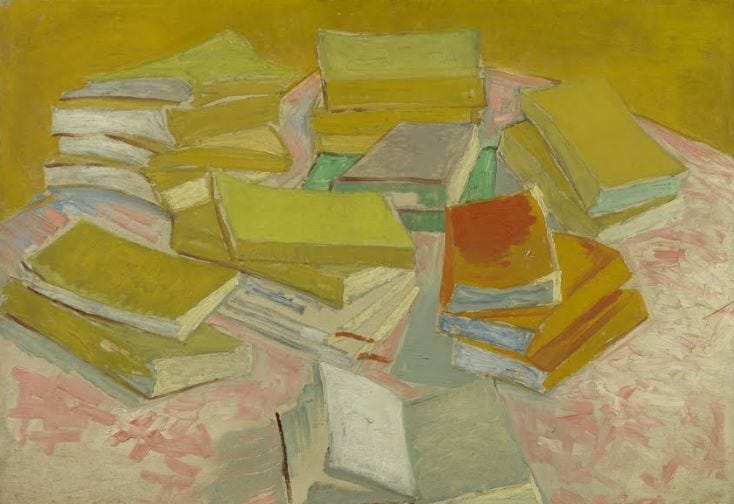
Four books on the go at once. An audiobook, an easy fiction, a hard fiction, a non fiction. A reading playlist (see my living cinematically post) Very normal behaviour.
Audiobooks felt like cheating until Julia Fox read her memoir to me in her specific unhinged New York cadence and I realised it was not a lesser experience, it was a different and sometimes superior one. Some books are made for your ears. Some for a café on a Tuesday some for Sunday in the park with George.
And then there was Glamorama. 600 pages of 90s paranoia and supermodels that had been defeating me for well over a year. To flight back I went to Reddit, researched the motifs, met the book halfway. The book didn’t get easier. I got more equipped. I have since finished five books that had been threatening me from my shelf for ten years. Reading is a muscle. The more you train it the less you wake up after leg day feeling like you’ve been hit by a truck.
Every performance has a difficult second act. Come summer the club calls. You will not read for ten days and feel quietly disproportionately ashamed. This is normal. Its life! That book chained to my bag and the one glued to my bedside table are reminders. Of the performer you are and the reader you are becoming. Simultaneously, as it turns out, the same person.
Reading is not productive. It will not optimise your morning or fix anything in particular. It is just for you. Entirely, unapologetically, for you. So go and read. Dramatise it if you need to. Make it a ritual, a costume change, a whole event. Do whatever it takes to make the time feel special enough to protect.
Because the performance is not the enemy of the real thing. It never was. It is just how some of us arrive.
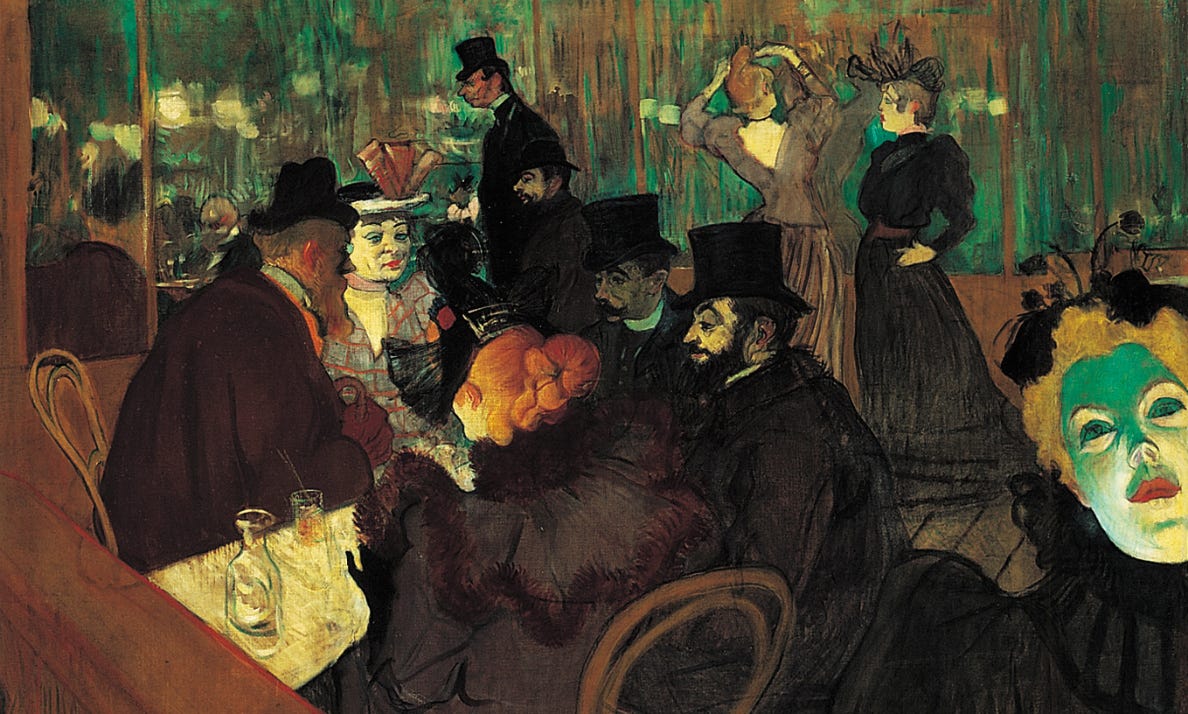
If Liza Minnelli tells us life is a cabaret old chum, we should probably listen. You are already on the stage whether you like it or not. You might as well be doing something you love on it.
The defence rests.
House of D’vey is for all the architect girlies who just haven’t realised it yet. Fifty percent lifestyle, fifty percent architecture, and absolutely none of it boring. Promise.
Follow: Instagram | TikTok | YouTube | Goodreads | Letterboxd
Thanks so much for reading honestly! Please let me know if you've got this far in the comments, and what you thought!
See you next week!!
Bisous
